Women’s Day and Fashion
There are days when life just passes. We go through our routines: cooking, working, meeting friends, sleeping. Everything falls into place, predictable and uneventful.
Then there are days that demand pause, reflection, and perhaps an internal recalibration. One of these days is the 8th of March: International Women’s Day.
As a woman living in this capitalist world, I often find myself complying sometimes unconsciously, sometimes irrationally, with a system that tells me not to walk alone at night, not to wear certain clothes, and to accept underpaid positions. Be scared. Be good. Be quiet.
This year, the 8th of March arrived almost unnoticed, yet it made me realize how much my thoughts had been shaped by that system—and how little they had been guided by what I truly believe.
I should be able to walk at night. I should wear whatever I want. I should not accept underpaid work.
I should not be scared. I should not be good. I should not be quiet.
These freedoms are not just for me: they are for all women, especially those who are not privileged like I am.
Globally, women face disproportionate risks: more women live in conflict zones today than in the 1990s, 10% live in extreme poverty, and projections suggest that another 150.8 million could be pushed into the same conditions by 2050. Women are more vulnerable to job crises, climate change, and systemic violence, yet their struggles are often ignored or insufficiently addressed.
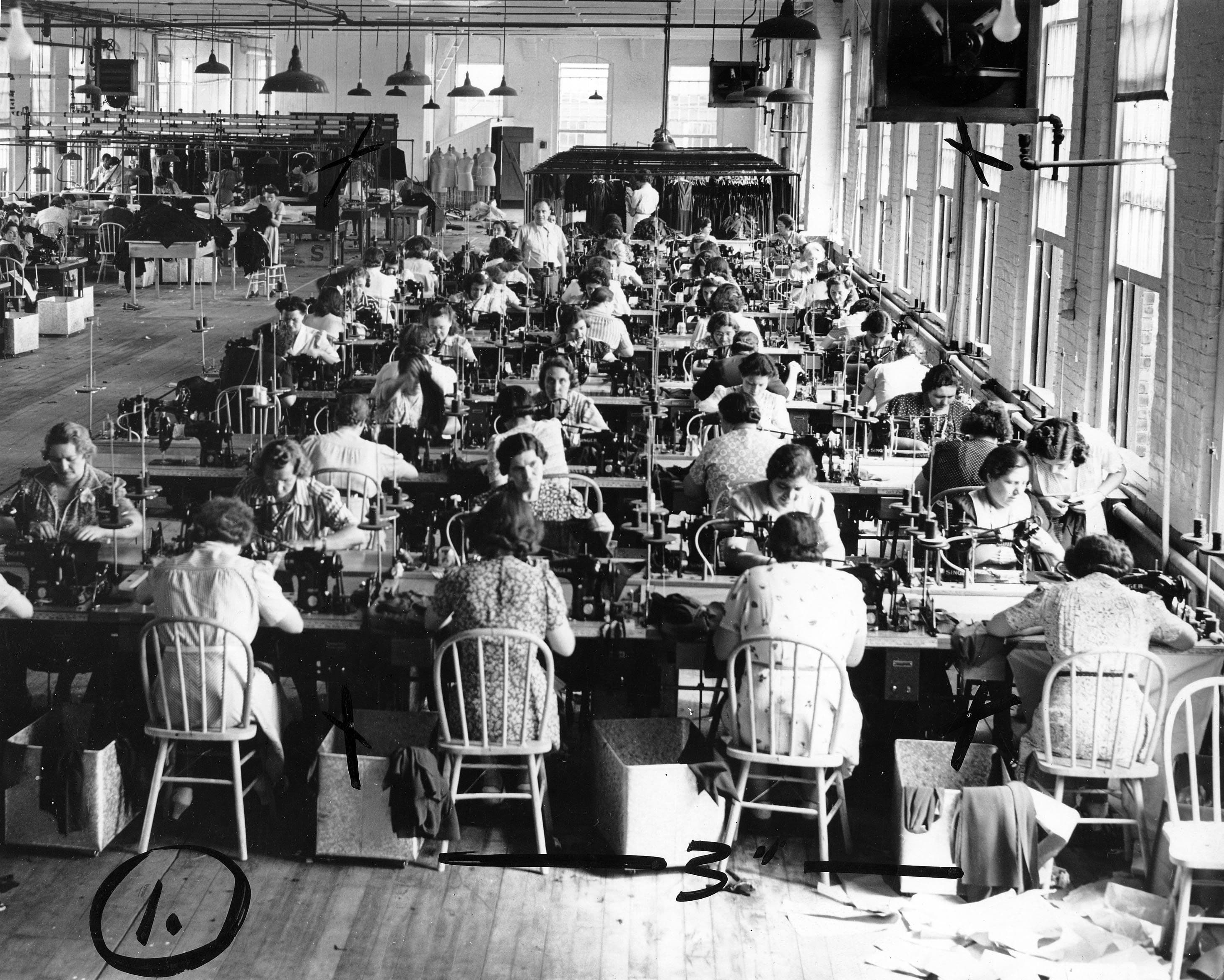
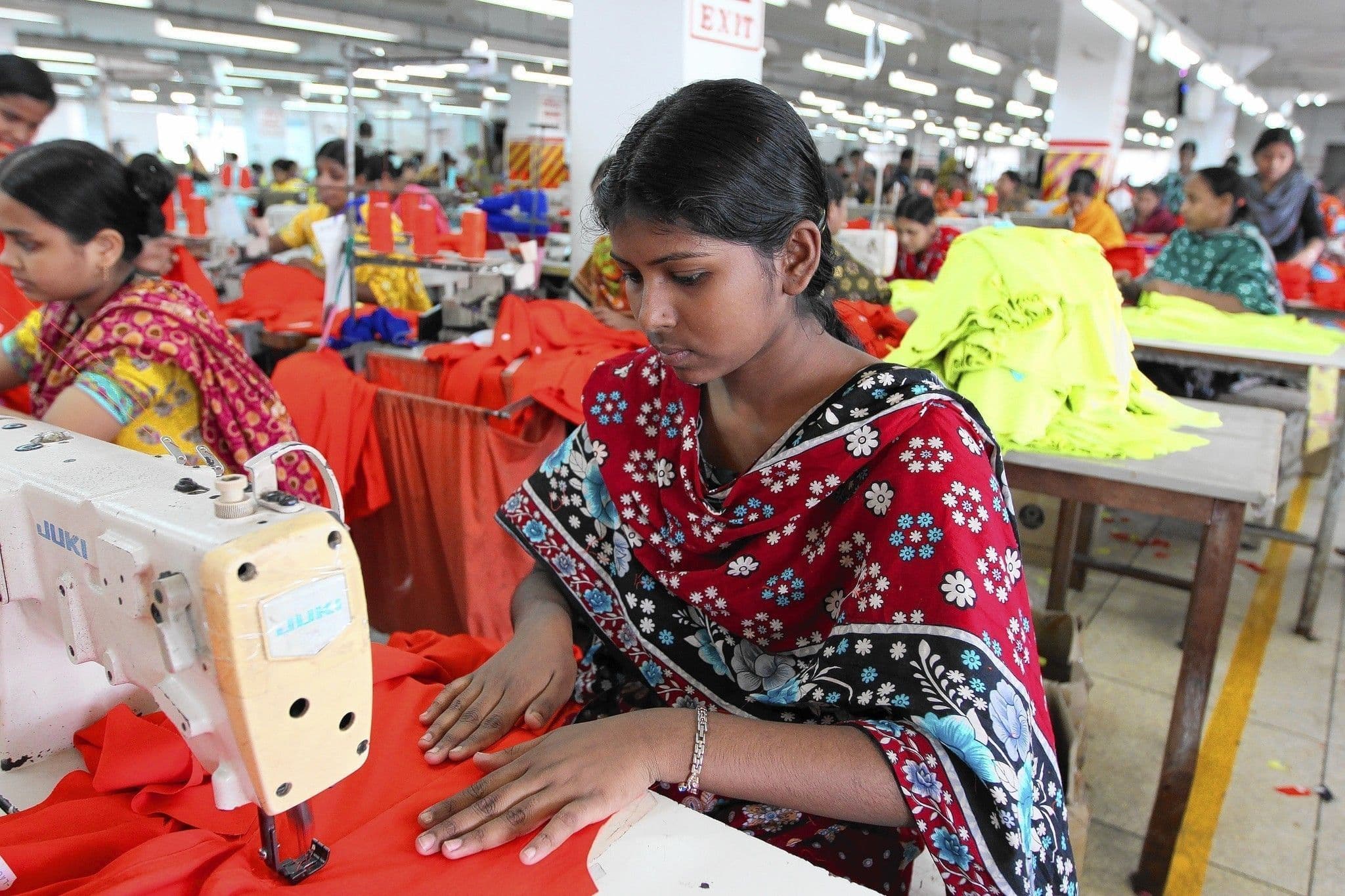
The fashion industry reflects and amplifies these inequalities. Women are disproportionately employed in sweatshops, frequently underpaid, and often subjected to unsafe conditions. As consumers, women are targeted—and sometimes blamed—for sustaining an industry that exploits them.
Even though some women hold leadership positions in fashion, most luxury brands remain controlled by large corporations led by men, often white men. Power and wealth are concentrated in the Global North, leaving women elsewhere with little voice or protection. Female entrepreneurship is on the rise, but opportunities are usually available only to those born into privilege, with access to resources, networks, and protections that most women cannot reach.
The injustice is structural, and it thrives because it is normalized: profitable for corporations, invisible to policymakers, and internalized by society. Recognizing this is only the first step. Change requires conscious action, collective awareness, and the insistence that equity is non-negotiable.
This Women’s Day, I remind myself—and all women—that our worth, freedom, and choices are not optional, and they are not for sale. We should walk freely, dress freely, work fairly, and speak boldly not just for ourselves, but for all women whose voices are silenced, whose labor is exploited, and whose lives are undervalued.
Until every woman can live with dignity, equality, and freedom, no one can truly call this world just. Happy International Women’s Day!