Soil Degradation and Fashion
Summer is here! Long days, warm weather, cold drinks and gelato. That’s a formula for happiness until you remember the mosquitoes, the heat (strokes), the sweat, the drought emergency and the “nothing to wear” moment.
Growing up in a place where 39-40°C summers are the norm, I’ve always reached for clothes that feel like wearing nothing at all. Polyester is an absolute NO. Cotton and linen are an enthusiastic YES!
Those two are the most popular options I can think of for my summer wardrobe. Lightweight, breathable and resistant, they can be easily dressed up or down to stay out all day long. Another reason to love them? They come from plants, no plastic involved!
But even natural fibers like cotton and flax come with environmental trade-offs. Especially the production of cotton is raising concerns when considering land and water use and soil degradation. This is a less visible, but very real, cost of our summer staples.
So let’s take a quick look at what’s behind these fibers to support more conscious and informed choices!
Cotton
Cotton is arguably the most well-known and widely used fiber in the world. Its production dates back centuries and continues to thrive today thanks to its versatile and desirable qualities. It is now produced mainly in US, China, India and Pakistan, as well as countries like Uzbekistan, Turkey, Israel, Argentina and Australia.
However, its supply chain is not spotless. Environmental concerns tied to cotton production include intensive water use, soil degradation, and land contamination.
Conventional cotton requires extremely high moisture levels during the growing season and warm and dry weather during the picking season. Due to high demand and mass production, the regular demand for water in cotton cultivation has increased. But remember: cotton grows in those regions where water resources are limited, placing further stress on limited resources.
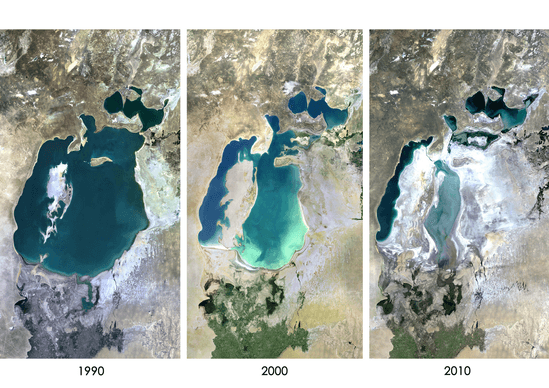
One example is the Aral Sea between Uzbekistan and Kazakhstan. It has lost around 90% of its volume since the once Soviet Union government in the 1960s diverted its water to irrigate the desert region surrounding the Sea to favor agriculture and cotton cultivation.
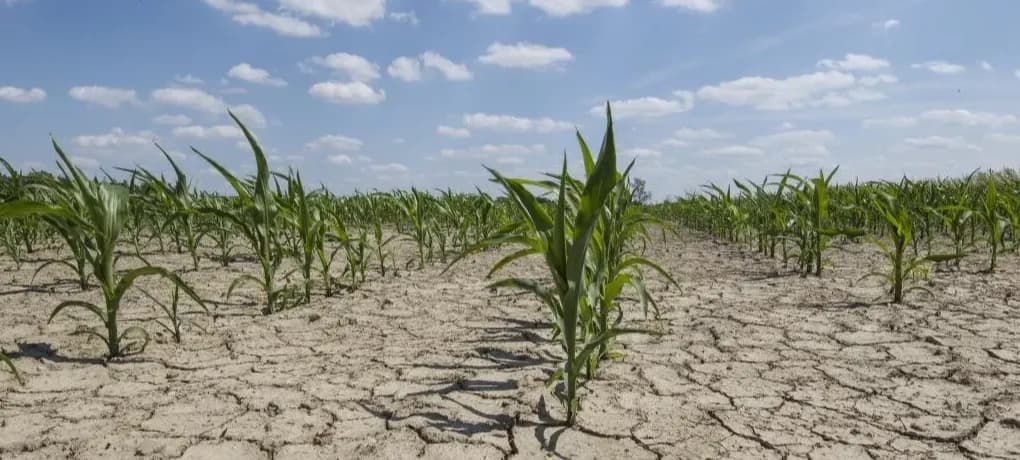
Exploitation of water resources comes with consequential problems for soil health. Desertification is enhanced, changing the dynamics of the ecosystem. Soil is challenged and unable to provide the right conditions for plant growth. Sandstorms are more frequent, leaving a place hard to inhabit.
But the cotton industry can’t stop. Hence, pesticides are used to alter the conditions of the soil so that it can perform as it was healthy. While cotton is no longer the top pesticide-consuming crop globally, these chemicals still cause significant contamination and long-term damage to the land.
Fortunately, there are more conscious alternatives to conventional cotton to prefer as a consumer:
- Organically Grown Cotton, which farming prohibits the use of synthetic pesticides and fertilisers, promoting soil health and biodiversity (but the use of water is estimated to be similar or even more).
- Recycled Cotton, which utilises pre- or post-consumer cotton waste to create new fabrics, reducing the need for virgin cotton production (but the length of fiber is shorter, reducing slightly the durability of clothes).
Flax
Flax, like cotton, is one of the oldest and strongest natural bast fibers, extracted from flax or linseed plants. Its production dates back centuries, with evidence of use dating back 5000 years ago, located both in Egypt and Switzerland, in a linen fabric.
Nowadays, flax is primarily grown in cooler regions of the world, such as North America, Asia, and Europe, specifically in France, Belgium and the Netherlands.
Opposite to cotton, its supply chain is not as shady. In fact, flax and linen are considered more sustainable options for their lower environmental footprint. If we consider the same environmental concerns tied to cotton, namely water usage, soil degradation and land contamination, linen generally performs better.
Flax requires far less irrigation, can grow in poor-quality soils, and contributes to soil health by improving biodiversity and enhancing crop rotation systems.
However, linen production is not without its challenges. While flax typically requires fewer pesticides or fertilizers, their use is not entirely absent. Nitrates and some alkali compounds are still applied, contributing to soil and water contamination. Additionally, chemical bleaching is often used in processing to achieve that popular bright white finish, which raises concerns about chemical runoff and sustainability.
If you're looking for more conscious options, you can always prefer:
- Organic linen, produced without synthetic inputs.
- Recycled linen, made from production scraps or post-consumer garments, also exists, though it's rare.
So, cotton or linen?
If we’re just talking summer vibes, both are breathable, plant-based heroes. But zoom in a little, and it’s clear that linen tends to be the overachiever in the eco department: less water, happier soil, better biodiversity points.
Cotton, on the other hand, is a bit of a high-maintenance queen: thirsty, demanding, and not always the best news for the planet.
Still, the story doesn’t end with the environment. Behind every fiber, there are people: farmers, workers, communities. And while we didn’t go deep into the social side here, it’s a crucial part of the sustainability conversation. Cotton production in some regions has been linked to forced labour and poor working conditions, and linen—while gentler on the planet—can come with a higher price tag due to labour-intensive processes, making it feel more “luxury” than “everyday.”
👀 So what’s a summer-dresser to do? Start by staying curious. Ask questions, check labels, support better practices when you can, and don’t stress about perfection.
✨ Sustainable style is about making more informed choices, one fabric at a time—and still catching that breeze in something that feels like wearing nothing at all.